

who we are
Mission & Goals
About the Crocodile Specialist Group
The IUCN SSC Crocodile Specialist Group (CSG) is a worldwide network of biologists, wildlife managers, government officials, independent researchers, non-government (NGO) representatives, farmers, traders, tanners, fashion leaders, and private companies actively involved in the conservation of the world’s 26 recognised species of crocodylians.
As one of more than 170 species specialist groups operating under the auspices of the Species Survival Commission (SSC) of the International Union for Conservation of Nature (IUCN), the world’s largest consortium of conservation organizations and agencies, the CSG provides advice on the conservation needs of wild crocodylian populations. The CSG also works closely with the Convention on International Trade in Endangered Species of Wild Fauna and Flora (CITES) and other international intergovernmental bodies to promote crocodylian conservation and legal trade that does not threaten the survival of these important reptiles.
Since October 2023, the CSG co-Chairs are Alejandro Larriera (Argentina) and Charlie Manolis (Australia). They are supported by Deputy Chair Christine Lippai (USA/South Africa) and Executive Officer Sally Isberg (Australia). An Executive Advisory Group was established in April 2024, to assist the CSG Executive Committee. The CSG Steering Committee is made up of Chairs and Vice Chairs of 8 regions, 5 Thematic Groups, 3 Working Groups, the CSG Red List Authority, IUCN SSC Young Professionals Task Force Focal Points and Honorary Members. There are currently around 765 CSG members from 88 countries (as of August 2026). The CSG’s administrative and publishing budget is raised almost entirely from private donations.
Working Meetings of the CSG are held every two years. Here, CSG members and others have an opportunity to present their work as well as meet and exchange ideas with others working in various parts of the world. Papers presented at Working Meetings are published as CSG Proceedings. Working Meetings also provide a venue for CSG Steering Committee meetings.
The CSG was formed in 1968 and held its first formal meeting in 1971, when all 23 species of crocodylians recognised at that time were considered endangered or threatened. By 1996, after 25 years of considerable effort, one-third of the species (8) were sufficiently abundant to support well-regulated annual harvests, one-third of the species (8) were no longer in danger of extinction but were not harvested, and one-third of the species (7) remain endangered. No other group of vertebrate animals has undergone such a dramatic improvement in conservation status. A fundamental principle that the CSG recognises is that well-managed harvesting programs can benefit crocodylian conservation by providing local livelihood benefits and incentives to those who live with them.
The key to this success is the cooperation of companies involved in the international reptile skin and leather trade, crocodylian farmers and ranchers, skin traders, tanners, manufacturers, fashion designers, and major retailers. Today, the crocodylian skin industry views conservation as an investment in the future that is equivalent to investing in new equipment and technology. Many of the companies contribute to conservation projects and actively curtail illegal trade.
The CSG has achieved great success with the conservation of the world’s crocodylians; however, much work is yet to be done. Endangered crocodylian species, and some threatened populations of more abundant species, require further conservation action, particularly those that are not valued in the skin trade. To help us with our mission, please consider donating here.
The CSG can be reached through its Executive Officer, Sally Isberg by email at csg@wmi.com.au
Goals
1. To provide expert opinion and advice on the conservation, management and sustainable use of crocodylians to the SSC and IUCN, and either directly or indirectly through the SSC, to government authorities, NGOs, industry groups and others.
2. To encourage and assist with the capacity-building of crocodylian management and conservation within and outside the CSG.
3. Where uses and benefits to people are involved, to be guided by the Addis Ababa Principles and Guidelines for Sustainable Use (CBD), adopted by the IUCN at its 3rd World Conservation Congress in 2004.
4. To continually improve the scope and quality of opinions and advice available through the CSG by fostering and encouraging research into all aspects of crocodylians, and by disseminating new knowledge amongst the CSG membership.
5. To ensure that CSG members are involved in:
(a) Identifying problems associated with the conservation, management and sustainable use of crocodylians and their habitats;
(b) Designing, implementing and testing management solutions to identified problems; and,
(c) Applying adaptive management as the basic strategy for improving and refining management over time.
6. To integrate CSG activities with other appropriate initiatives within the IUCN and SSC.
7. To assist CSG Regional, Thematic and Working Group Chairs and the general CSG members when they undertake projects that require expertise or experience from the broader CSG membership.
Mechanisms to achieve our goals
The CSG will assist members and others to contribute to the CSG mission and goals, by –
1. Encourage global and regional meetings to assess and discuss crocodylian conservation problems and solutions.
2. Facilitating information exchange between CSG members, Government and non-Government organisations, and the broader community, through:
(a) Regional networking;
(b) Global networking;
(c) Maintaining an Executive Officer;
(d) Publishing a CSG Newsletter;
(e) Maintaining a CSG website; and
(f) Maintaining a subscriber-based e-mail list.
3. Creating specific CSG Task Forces, Working Groups and Thematic sub-groups to address specific problems with the conservation, management and sustainable use of crocodylians.
4. Providing review teams to assess national conservation and management programs and where necessary make recommendations aimed at improving management of crocodylians.
5. Establishing a CSG Red List Authority to assist the SSC in meeting its Red List assessment obligations with crocodylians.
6. Maintaining an Executive Committee to manage the day-to-day operations of the CSG.
7. Maintaining a Steering Committee to ensure that the CSG is guided by the views and advice of its members.
History of the CSG
The Crocodile Specialist Group (CSG) is one of more than 170 species specialist groups within the IUCN’s Species Survival Commission (SSC). Since its formation in 1968, the CSG has grown from a small group of dedicated individuals making up the group in the early 1970s, to an international network of over 765 members in 88 countries (as of August 2026). But its structure as a group really began in 1971, when the first working meeting was convened (see later).
Between 1971 and 2023, five Chairs have presided over the CSG: Hugh Cott (1971-1973), F. Wayne King (1973-1978, 1983-1989), H. Duke Campbell (1979-1980), Harry Messel (1989-2004); and, Grahame Webb (2004-2023). Alejandro Larriera (Argentina) and Charlie Manolis (Australia) were appointed as co-Chairs in October 2023.
The CSG was formed at a time when the “conservation” movement was still in its infancy. At that time, the CSG was faced with populations of most crocodylians being drastically depleted, mainly as a result of indiscriminate hunting for the skin trade. It was thus not surprising that early efforts focused on stopping those population declines, with “total protection” as the main form of management regime being advocated. But by the mid-1980s, when some crocodylian species began to show recovery, it became clear that this strategy was insufficient to maintain conservation efforts into the future, primarily due to the conflicts that arise with livings with apex predators as their populations number recovered. The concept of conservation through sustainable use was thus adopted by the CSG as cornerstone of its conservation efforts, and continues to this day.
The CSG has achieved great success with the conservation of the world’s crocodylians, although challenges still remain with some endangered species, particularly for “non-commercial” species. The secret of the CSG’s success lies with its integration of a diverse group of people into its ranks, including members of the crocodylian skin and fashion industry.
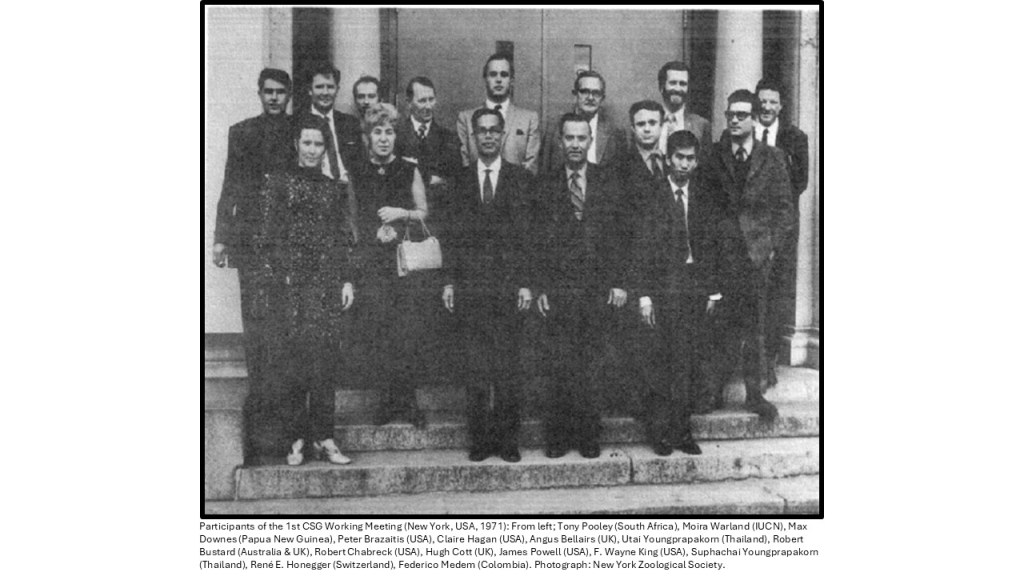
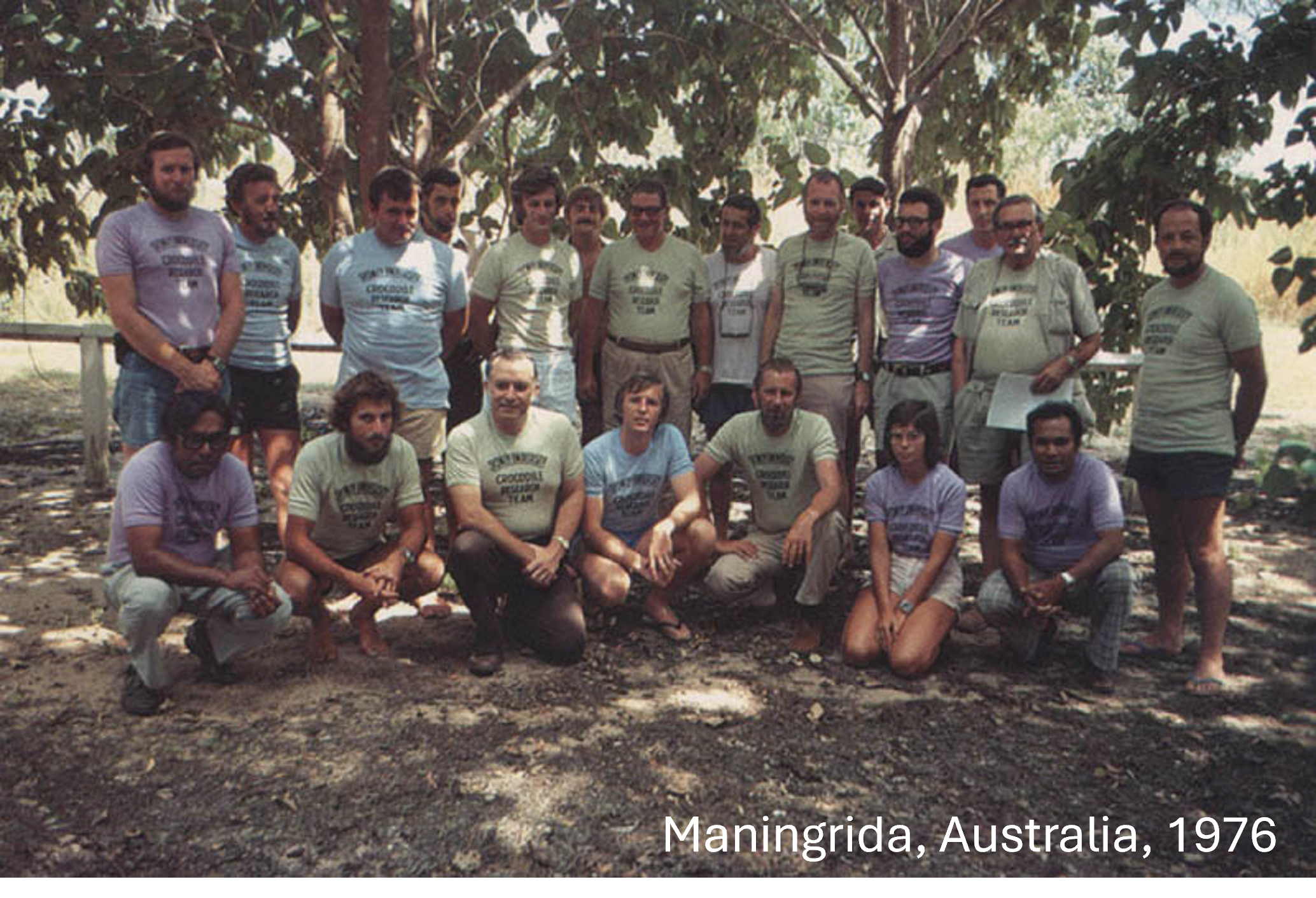
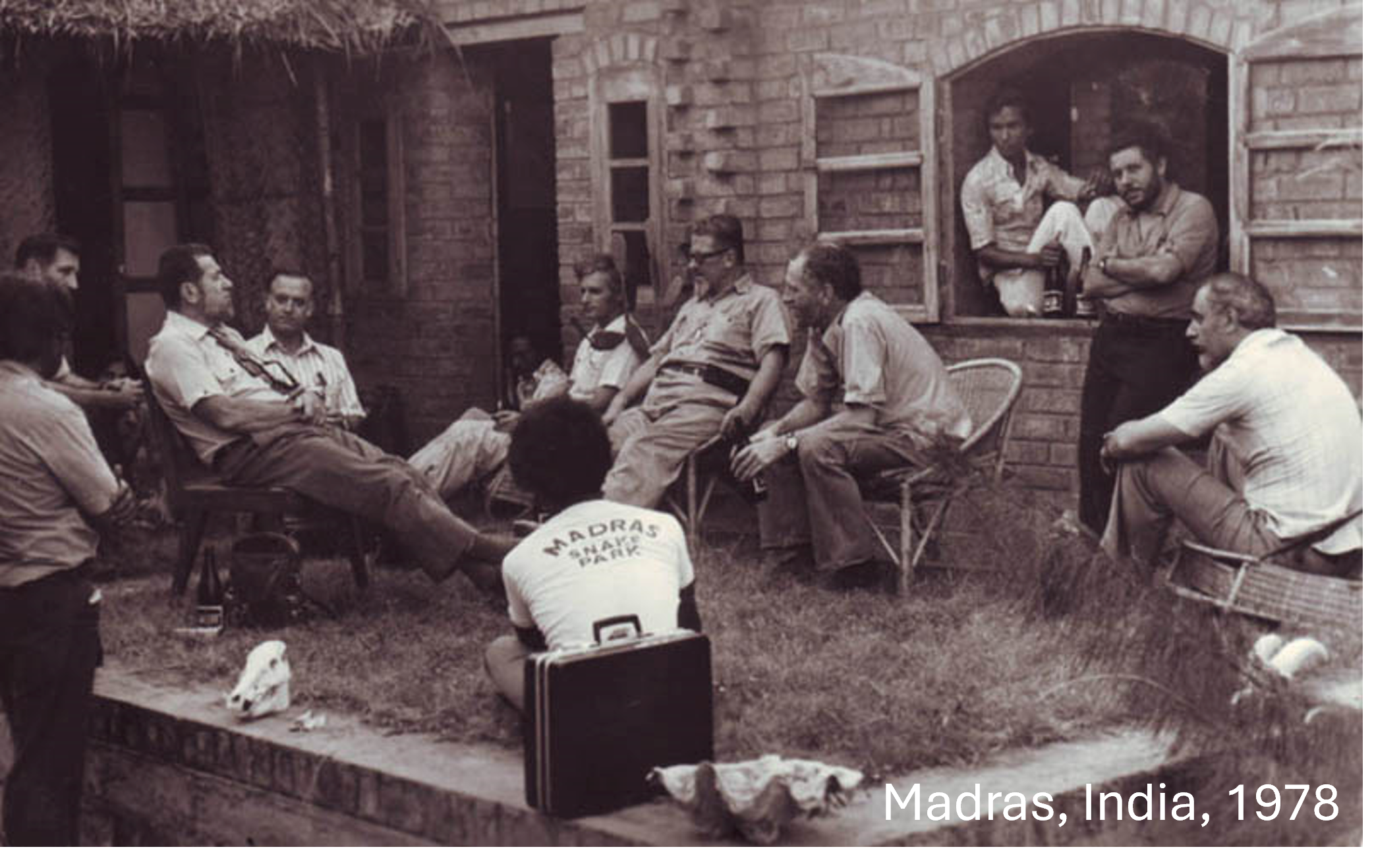
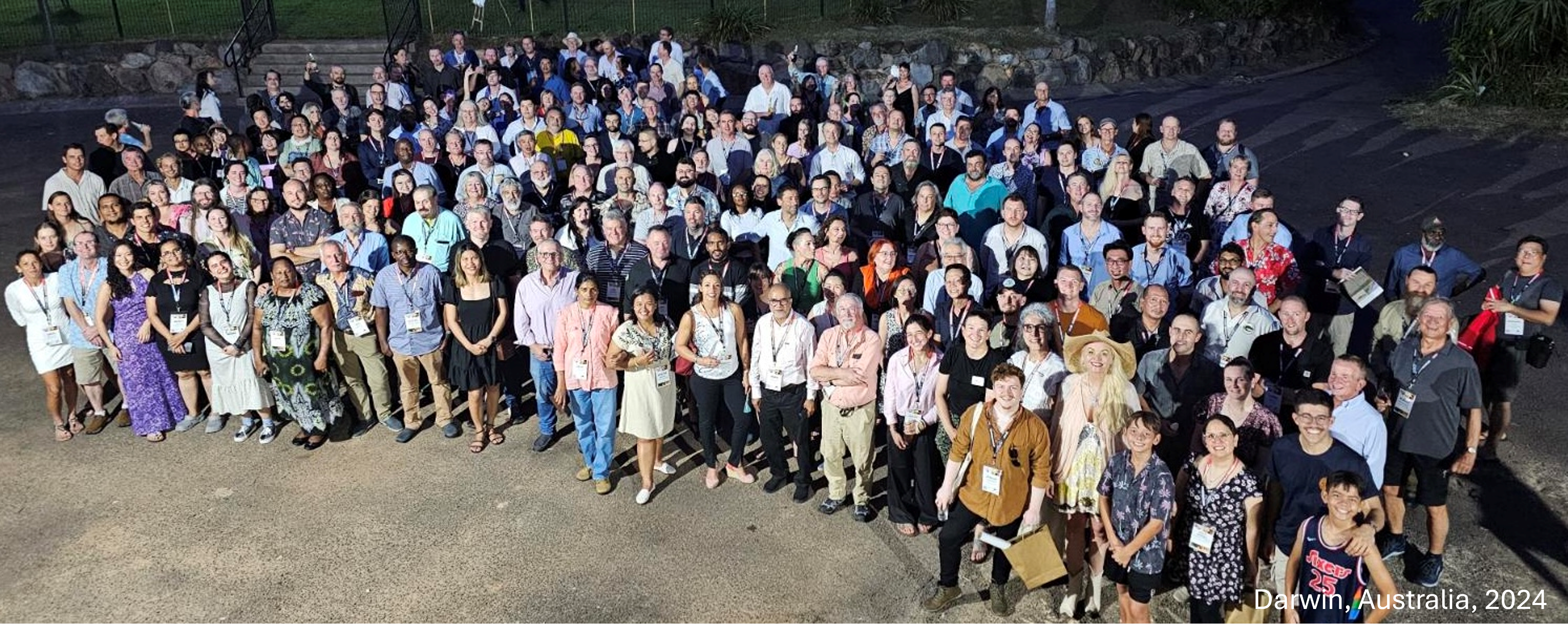
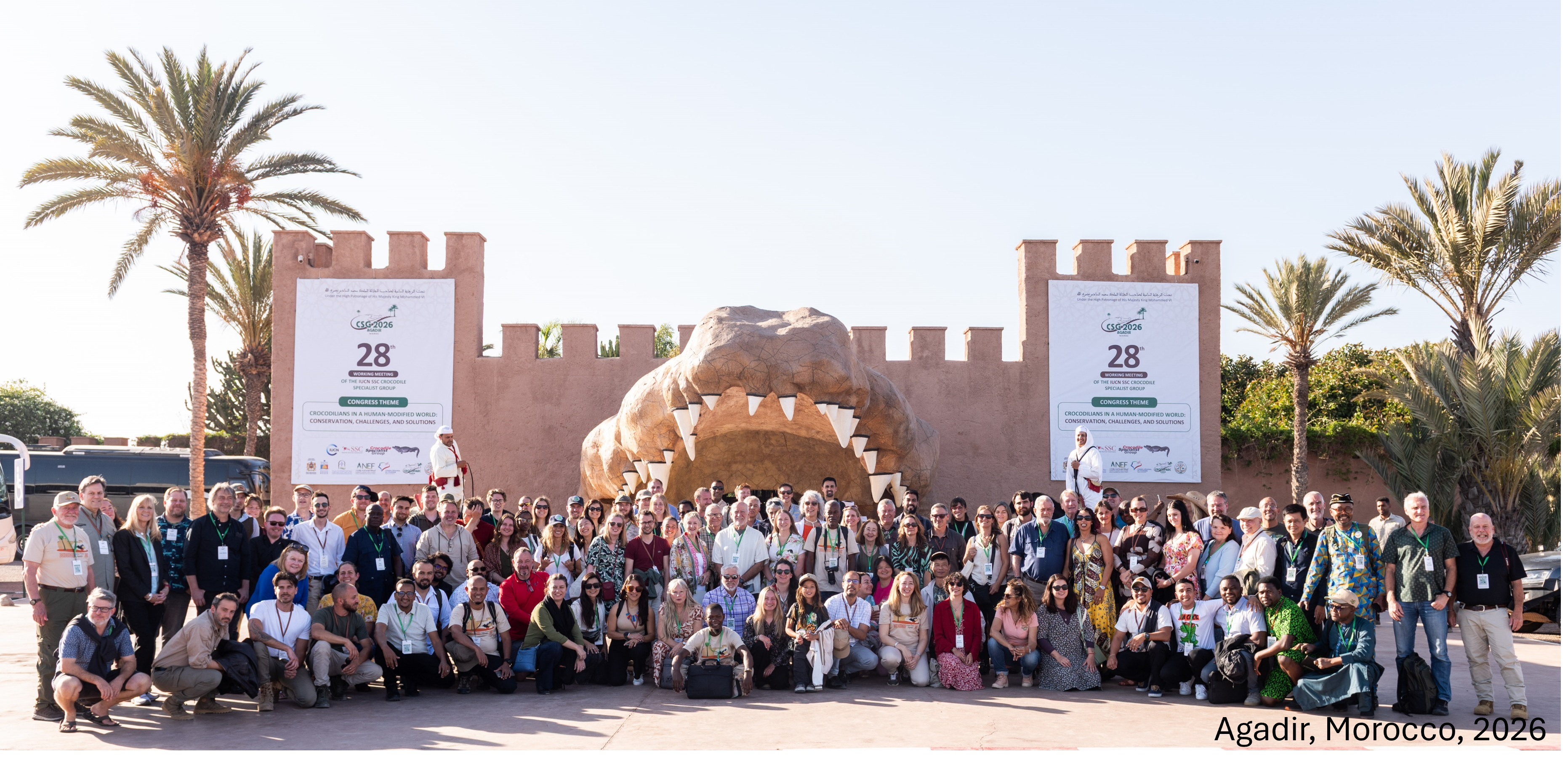
The 1st CSG Working Meeting, held in New York (USA) in March 1971, had 15 participants. Nowadays, the biennial CSG Working Meetings typically involve the participation of over 200 participants, and with a 4-5 day program, reflecting the depth of activity in crocodylian research, management and conservation around the world.

Castillo Award
A gift of a handsome handmade silver pitcher was made to the Crocodile Specialist Group by Mrs. Lily Castillo and her family of Guerrero and Mexico City in 2001. The Castillo family have been prominent artisans and artists in metals for three generations and their work is widely sought by collectors. Their pieces include a fishing award for US President Lyndon Johnson, chalices used for the Pope’s visit to USA in 1987 and a silver cross and frame in the Vatican. Their work combines traditional silver work and pre-Hispanic motifs.
The pitcher donated to the CSG is 21 cm high, with a 20 cm base, and with a handle shaped as a crocodile. After consultation with Mrs. Castillo it was agreed to award this pitcher at each biennial CSG Working Meeting as a prize for significant contributions to crocodylian conservation. Nominations for the prize are sought from members of the CSG Steering Committee for consideration by the CSG Executive Committee, prior to announcement of the winner at each Working Meeting.
Recipients of the Castillo Award to date are:
- John Thorbjarnarson (Gainesville, USA, 2002)
- Jenny Daltry (Darwin, Australia, 2004)
- Merlijn van Weerd (Montelimar, France, 2006)
- Zilca Campos (Santa Cruz, Bolivia, 2008)
- Robinson Botero-Arias (Manaus, Brazil, 2010)
- Matt Shirley (Manila, Philippines, 2012)
- Steve Platt (Lake Charles, USA, 2014)
- Alison Leslie (Skukuza, South Africa, 2016)
- Proyecto Yacare (Santa Fe, Argentina, 2018)
- Jeff Lang (Chetumal, Mexico, 2022)
- Ruth Elsey (Darwin, Australia, 2024)
- CrocFest (represented by Colette Adams, Curt Harbsmeier and Flavio Morrissiey) (Agadir, Morocco, 2026).


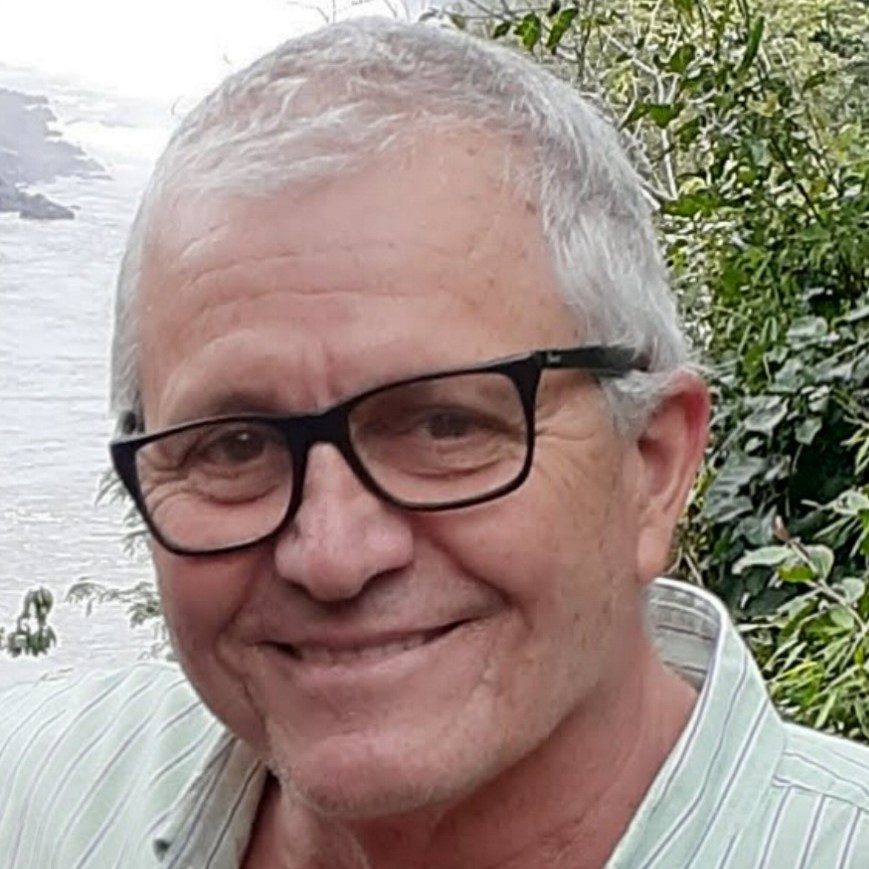
Alejandro Larriera
Co-Chair
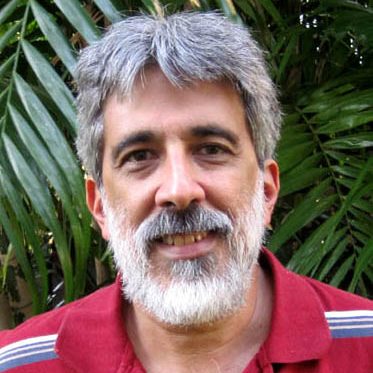
Charlie Manolis
Co-Chair
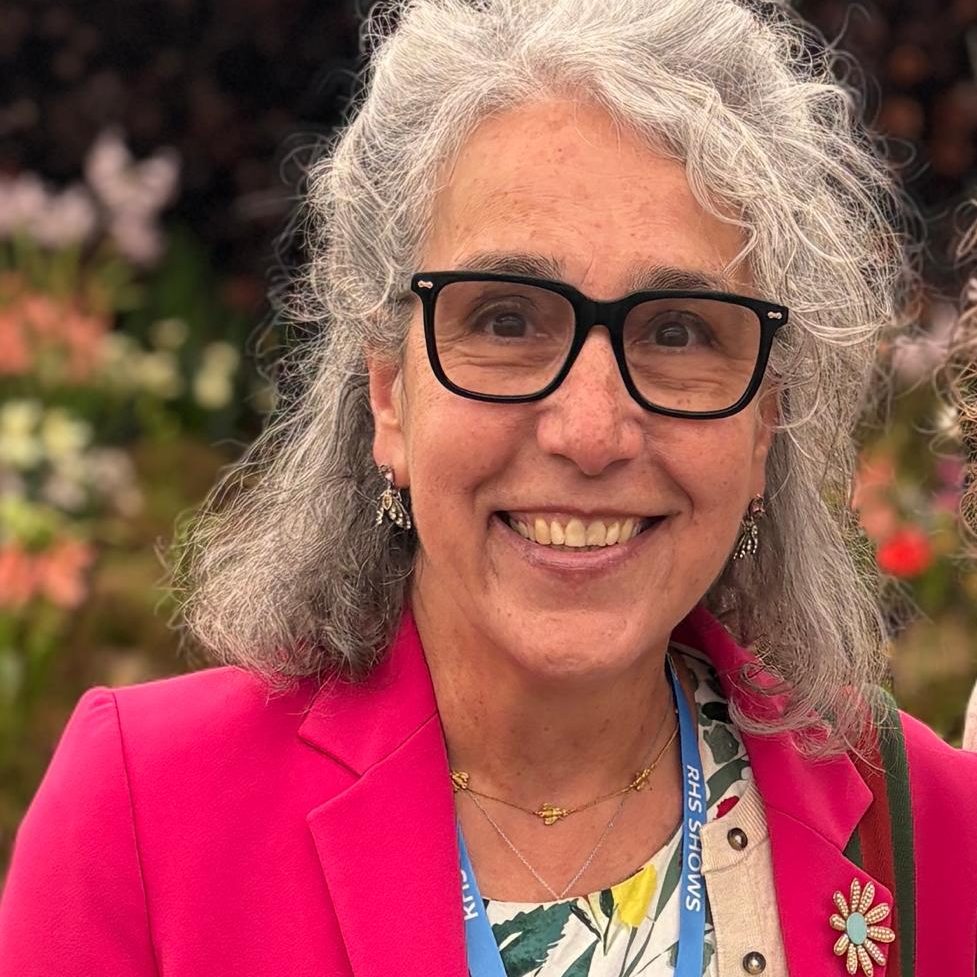
Christine Lippai
Deputy Chair
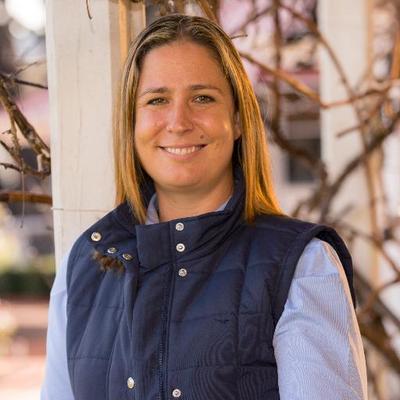
Sally Isberg
Executive Officer


Patrons & Donors
Thank you to those people and organisations who donate to the CSG to financially support our on-going work.
Big Bull Crocs Patrons – US$15,000 +
Japan Leather & Leather Goods Industries Association, Tokyo, Japan.
United Leather Products Co., Ltd. and Nakorn Sawan Crocodile Farm, Thailand.
Friends – US$3,000 – $15,000
Dresden Zoo, Dresden, Germany.
Ebey family, New Mexico, USA.
Supporters – US$1,000 – $3,000
Alexander Meurer, Germany.
Centre for Crocodile Research/Crocodilian Academy, Darwin, Australia.
Italhide, Italy.
J.K. Mercado & Sons Agricultural Enterprises, Philippines.
Pantera, Italy.
Paolo Martelli, Hong Kong.
Contributors – US$250 – $1,000
Donald Farms, USA.
James Hennessy, The National Reptile Zoo, Ireland.
Piper and Skye, USA.
Thai Crocodile Farmers Association, Thailand.